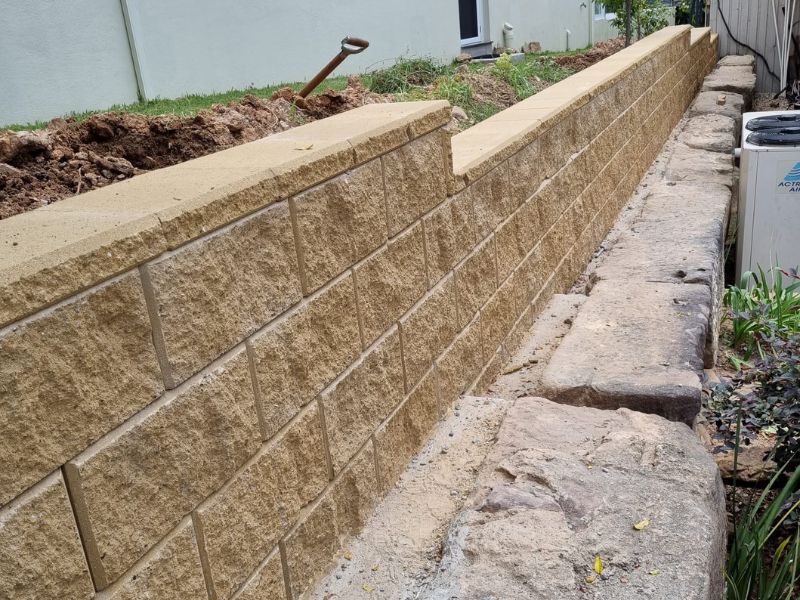

Which Retaining Wall Is Best for a Sydney Sloping Block?
A sloping backyard can create challenges for Sydney homeowners. Uneven ground can make parts of a property difficult to use, increase the risk of soil movement and complicate garden or outdoor-area planning. A well-planned retaining wall can help create more usable levels while supporting the surrounding landscape.
But which type of retaining wall is right for a sloping block? The answer depends on the property’s slope, soil, drainage, wall height, access and how you plan to use the space.
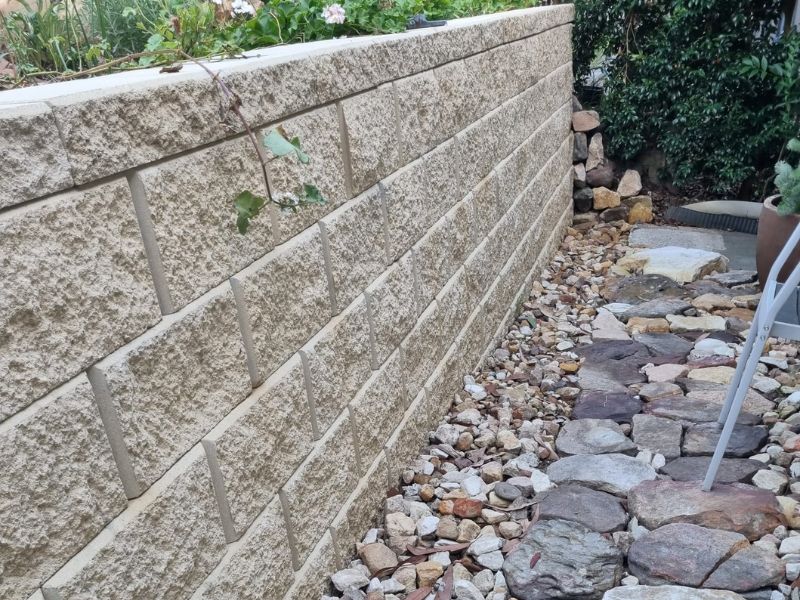
Why Do Sloping Sydney Properties Need Retaining Walls?
Retaining walls are commonly used to hold back soil and create more defined levels across sloping land. They can help make space for lawns, garden beds, pathways, entertaining areas and other landscaping features.
A retaining wall can also form part of a broader landscaping project where an uneven yard needs to be reshaped or better organised.
However, the wall needs to be designed for the conditions of the property rather than selected purely for its appearance.
Which Retaining Wall Material Is Best?
There isn’t one material that is best for every Sydney property. Common options include timber, concrete and masonry, with the appropriate choice depending on the wall’s purpose, design and site conditions.
Timber retaining walls can provide a natural appearance and work well with garden landscaping. They can be suitable for certain residential applications where the site conditions and required wall height allow.
Concrete retaining walls can provide a strong and durable solution for properties requiring greater structural performance.
Masonry retaining walls can combine structural function with a more finished appearance and may complement existing paving, walls and other outdoor features.
The right choice should take into account the property’s requirements rather than simply choosing the cheapest material.
Does the Height of the Wall Matter?
Yes. Wall height is one of the important factors when planning a retaining wall.
A low garden retaining wall has different requirements from a taller wall holding back a substantial amount of soil. As height increases, factors such as structural design, foundations, reinforcement, drainage and site conditions become increasingly important.
For this reason, homeowners should have the site assessed before deciding on a particular retaining-wall system.
Why Is Drainage Important Behind a Retaining Wall?
Water management is a critical consideration. Water that builds up behind a retaining wall can place additional pressure on the structure and contribute to problems with soil movement or drainage.
A suitable drainage solution can help manage water around the wall and reduce the risk of water-related problems.
The drainage requirements will depend on the property’s slope, soil, rainfall exposure and existing drainage conditions.
What Type of Retaining Wall Works Best for a Small Sloping Yard?
A smaller yard may benefit from a retaining wall that creates one or more practical levels without taking up unnecessary space.
For example, a wall may separate a lawn from a garden bed or create a level area for outdoor use. The final design should consider how much space the wall occupies and how it connects with paths, planting and other landscaping features.
A professional site assessment can help determine the most practical layout.
Can Retaining Walls Make a Sloping Backyard More Usable?
Yes. One of the main advantages of retaining walls is their ability to create more functional areas on uneven properties.
A sloping backyard could potentially be reshaped into separate areas for lawns, gardens, pathways or entertaining. This can make better use of land that might otherwise be difficult to access or maintain.
Retaining walls can therefore be part of a wider landscape improvement rather than an isolated structure.
When Should an Existing Retaining Wall Be Repaired or Replaced?
Signs such as leaning, cracking, movement, damaged materials, poor drainage or soil spilling over the wall can indicate that an existing structure needs attention.
The appropriate solution depends on the condition and cause of the problem. In some situations, repair may be practical, while severely damaged or poorly designed walls may require replacement.
Addressing problems early can help prevent further deterioration and disruption to the surrounding landscape.
How Do You Choose the Right Retaining Wall for Your Sydney Property?
Start by assessing the slope, soil, drainage, available space and intended use of the area. Then consider the wall’s height, materials, appearance and structural requirements.
For Sydney homeowners planning a sloping-yard improvement, retaining walls Sydney can be an important part of creating safer and more functional outdoor levels.
Active Landscapes provides landscaping solutions for Sydney properties, including retaining walls and other outdoor improvements.
The best retaining wall is not necessarily the most expensive or visually striking option. It is the one that suits the property’s conditions, performs the required function and works with the overall landscape design.
Leave a Reply